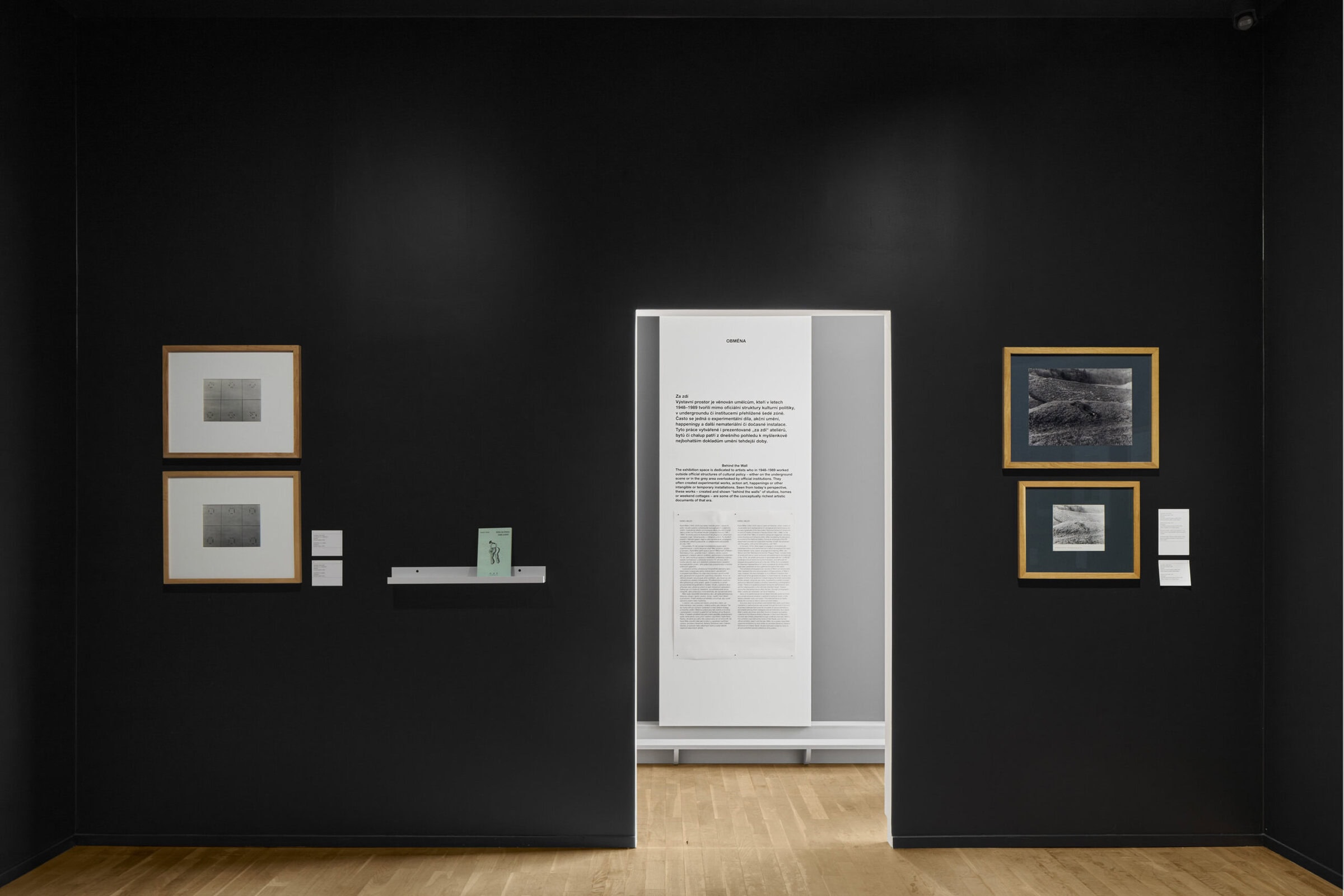
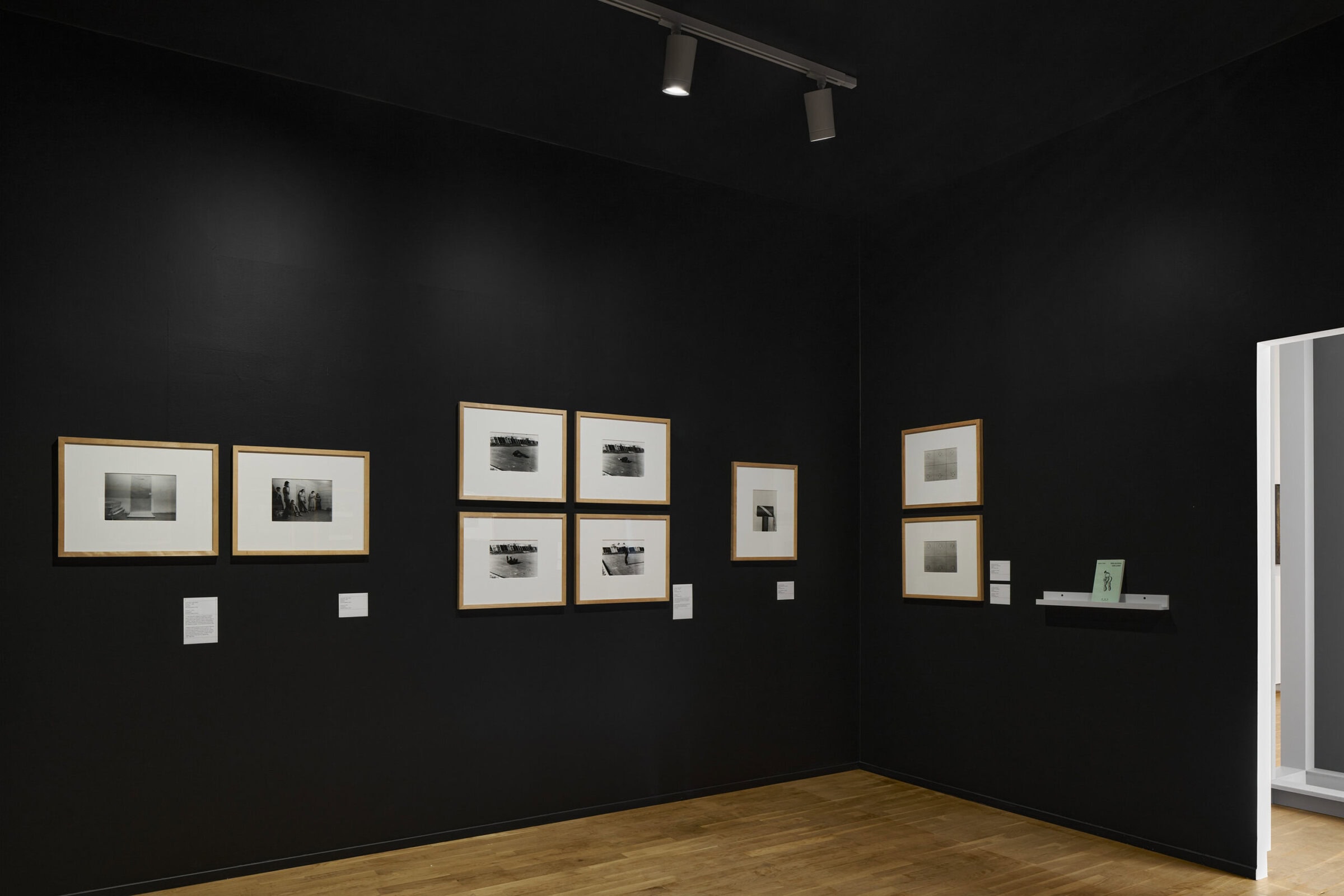
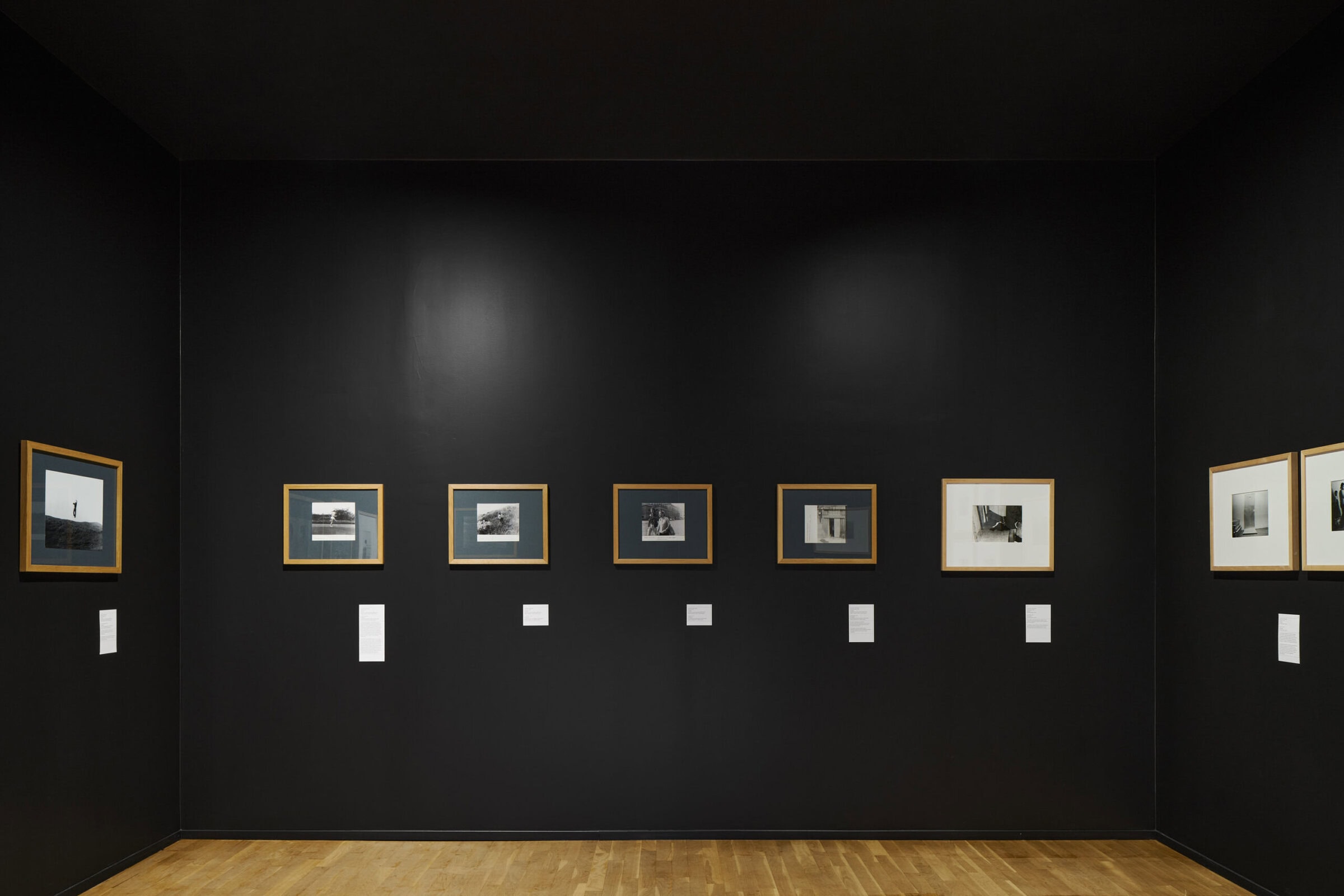
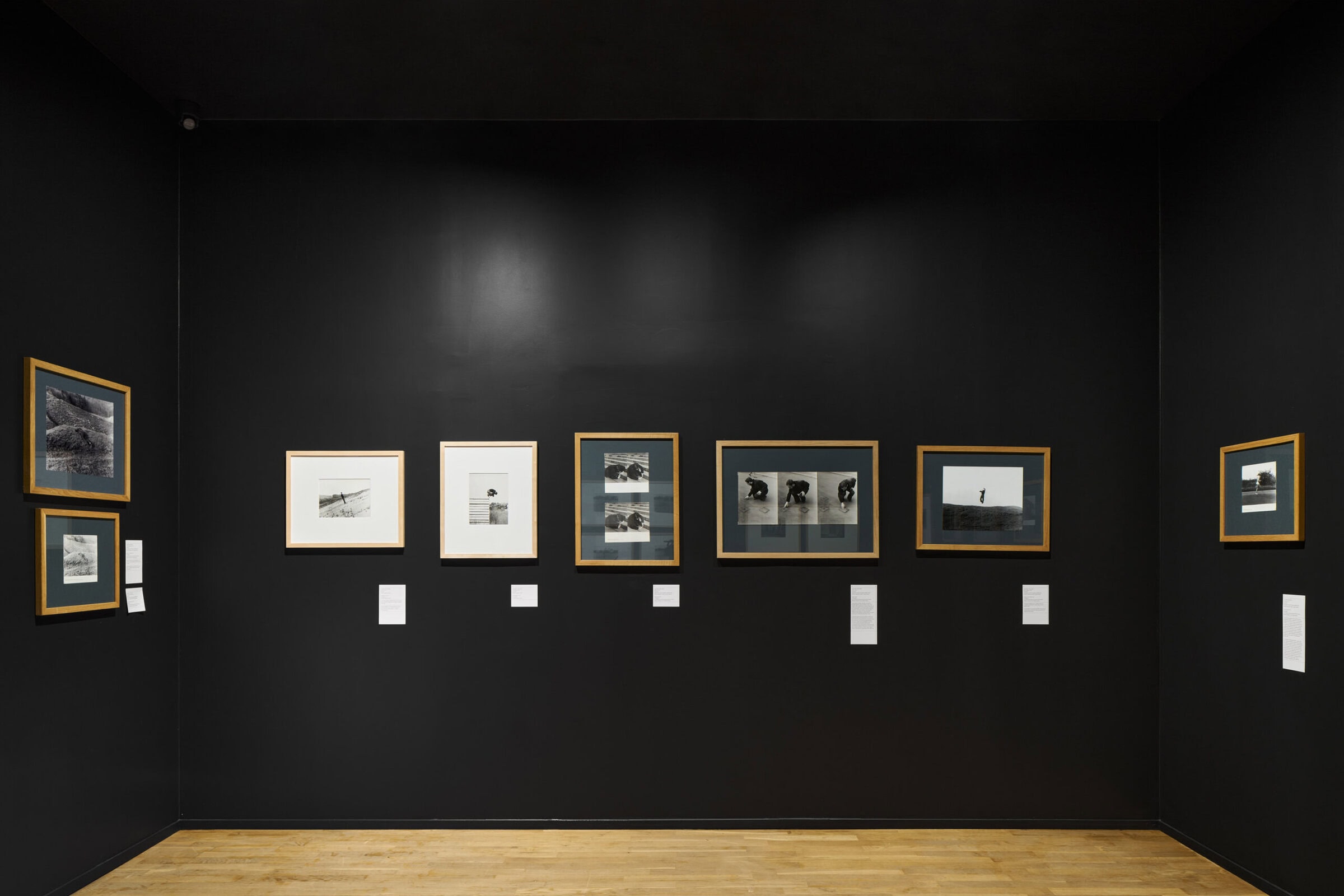
The exhibition space Behind the Wall, which is part of the permanent exhibition 20th-Century Czech Art and Its Labels, is dedicated to artists who in 1948–1989 worked outside official structures of cultural policy – either on the underground scene or in the grey area overlooked by official institutions. They often created experimental works, action art, happenings or other intangible or temporary installations. Seen from today’s perspective, these works – created and shown “behind the walls” of studios, homes or weekend cottages – are some of the conceptually richest artistic documents of that era.
KAREL MILER (1940–2025) was a Czech art historian, artist, creator of visual poetry and representative of conceptual and performance art. He was a graduate of the Secondary Technical School of Construction and of Charles University’s Faculty of Arts (1961–1966). In the second half of the 1960s, he wrote for various art magazines, including Výtvarná práce and Výtvarné umění. After completing his education, he worked at the National Gallery, first as an employee of the PR department and later as a specialist member of staff. He remained with the gallery, with some interruptions, until 1997.
In the early 1970s, Miler began to engage in minimalistically conceived actions and performances in which he explored the relationship between body, space, language and meaning. Miler, Jan Mlčoch and Petr Štembera formed the “Prague Three,” a loose circle of artists with ties to Czech actionism and performance and body art in the 1970s. His artistic production is associated with the “unofficial” (underground) art scene during Normalization, and although he stopped doing performance art in the late 1970s, he is considered an important representative of Czech conceptual art whose works have been presented at many galleries throughout the world.
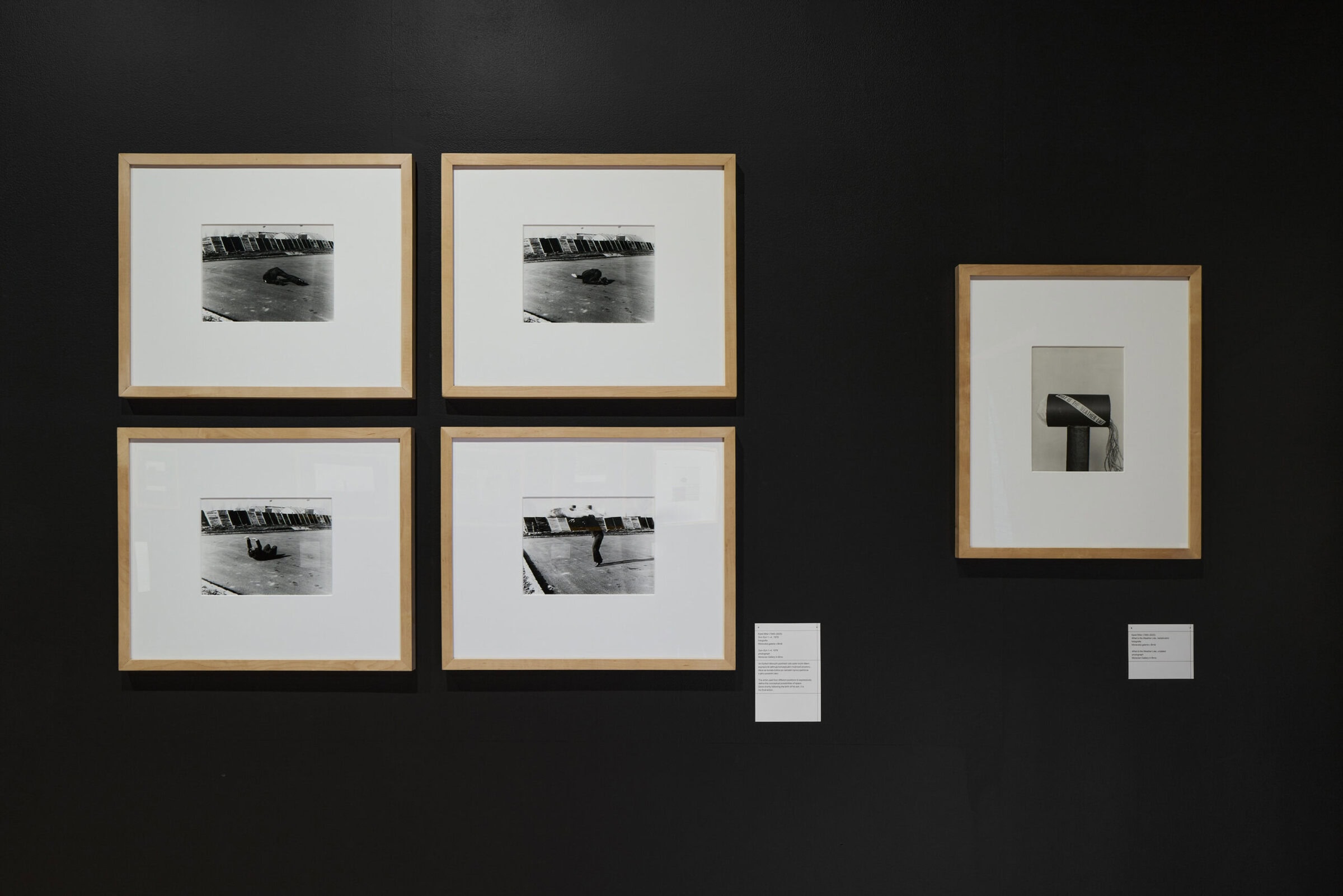
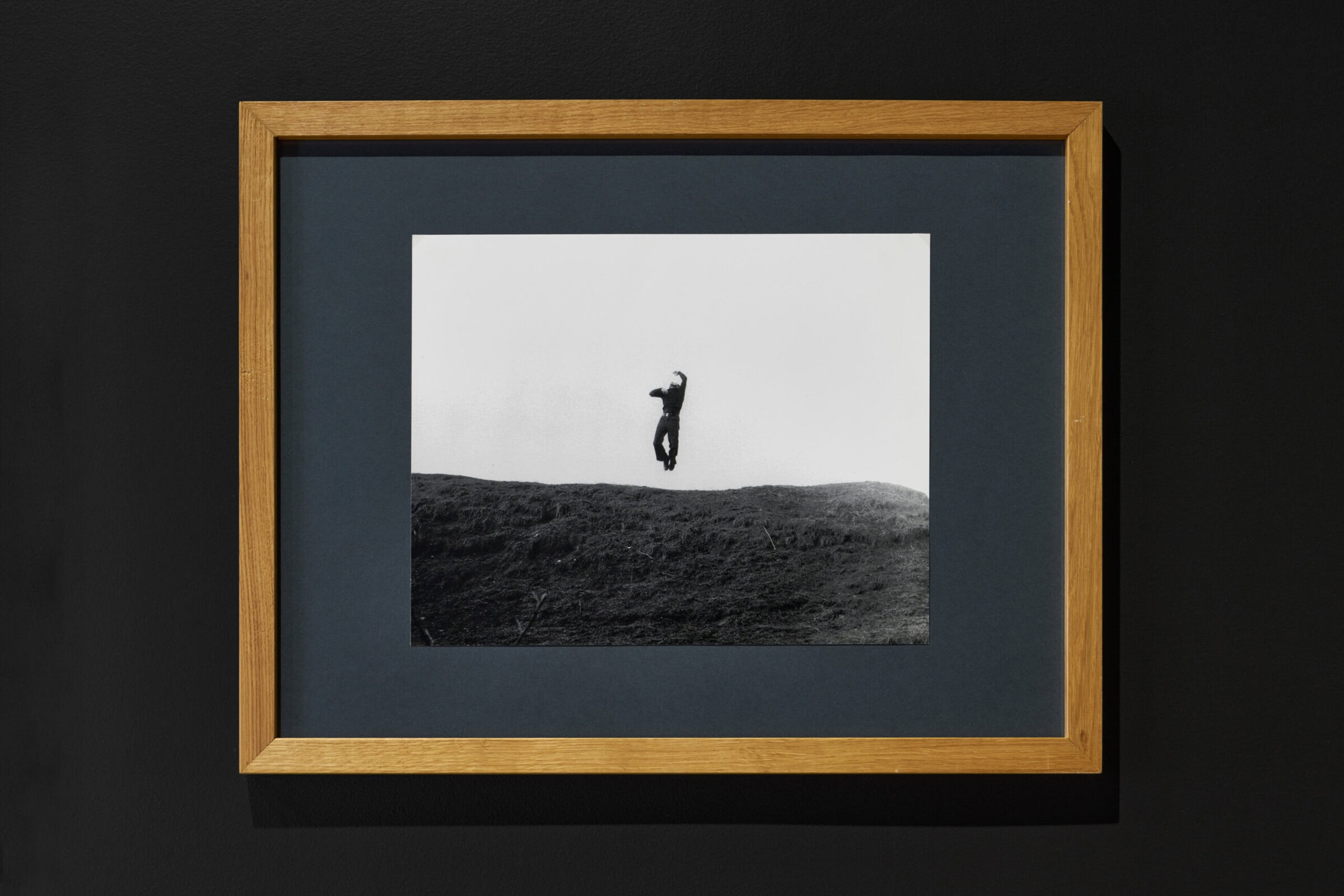
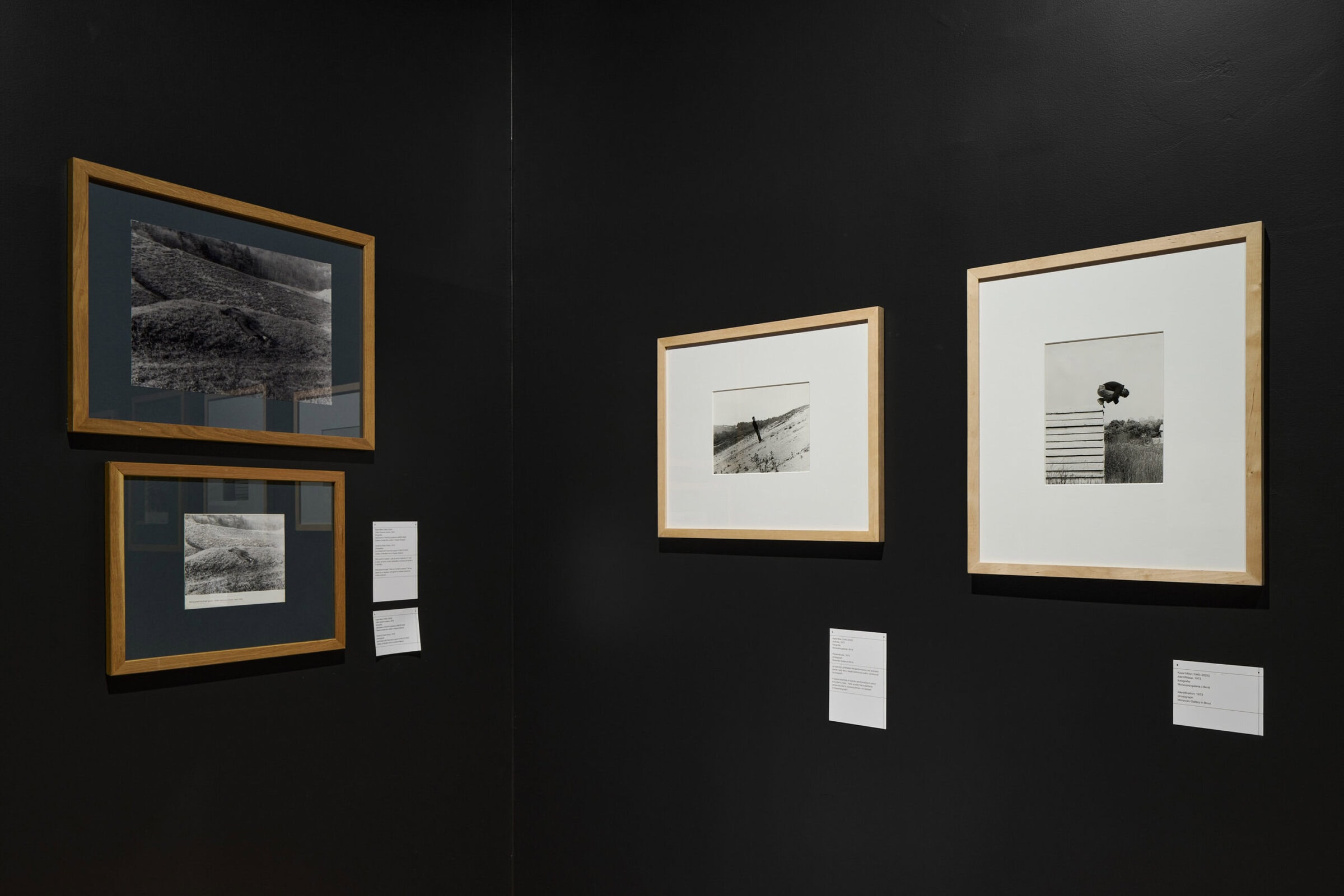
The exhibited photographs are records of Miler’s art actions and often represent the only documentation of these actions. In Miler’s case, however, this documentation is of a different character than with the art of his generational peers. In most instances, he does not appear in front of an audience, instead staging the action exclusively for the camera. Using his own body, he presents a certain concept, gesture or idea and creates a situation resembling a photographic model. There is no audience present during the performance, and yet the viewing public is the ultimate intended target. Viewers encounter the performance after the fact, through photography. Miler’s works are minimalist, yet full of meaning.
Many of his performances do not depict dramatic action so much as a simple physical situation: a gesture or posture, touch, or the tension between body and space. This reduced focus on media allows the concept or idea to stand out more clearly.
At a time when not all artists could exhibit their work, such documentation of performances was spread through the mail in the form of printed materials that could be circulated at various exhibitions and shared among other colleagues and art historians. As a result, Miler’s works are known and often found in museum and gallery collections from Buenos Aires to Warsaw. In the Czech Republic, his work was initially presented through unofficial channels: Miler’s first exhibition was held at the home of Petr Rezek, and his first official exhibition wasn’t until the late 1990s. As a curator, Karel Miler organized exhibitions by such artists as Jaroslava Severová, Adriena Šimotová and Otakar Slavík. He also authored numerous texts on art and published several collections of his poetry.
The exhibition was supported by the Ministry of Culture of the Czech Republic and the Statutory City of Hradec Králové.