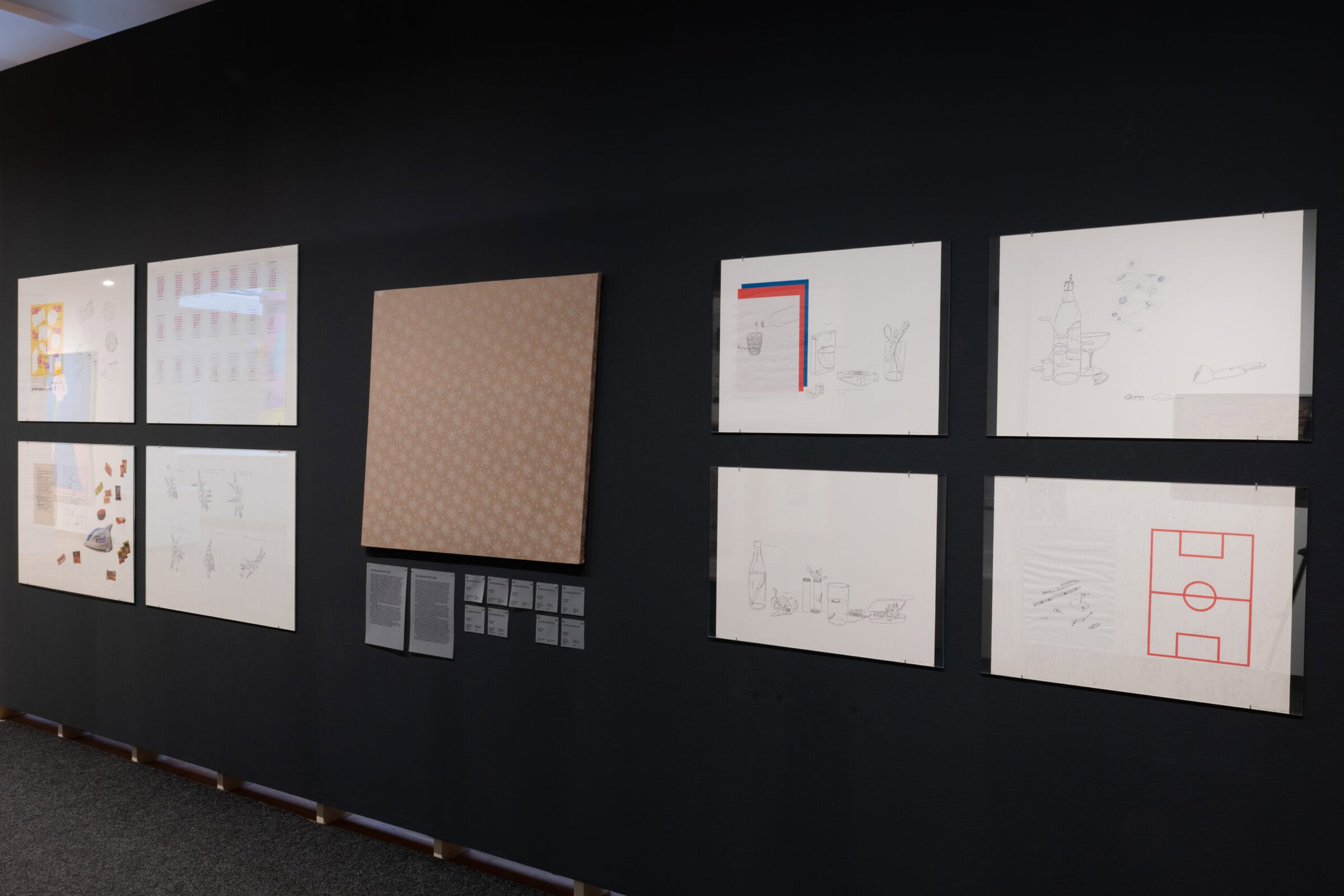
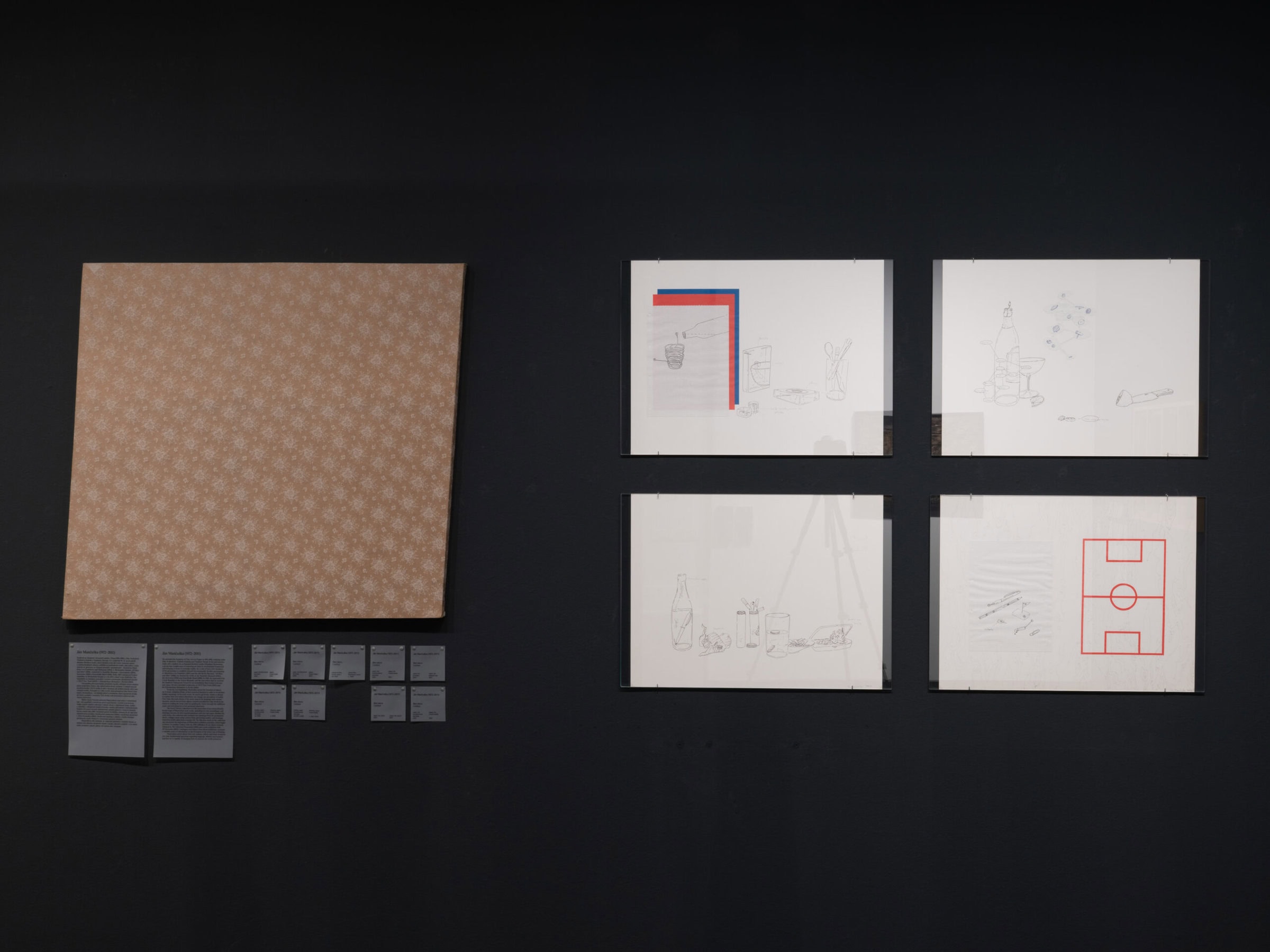
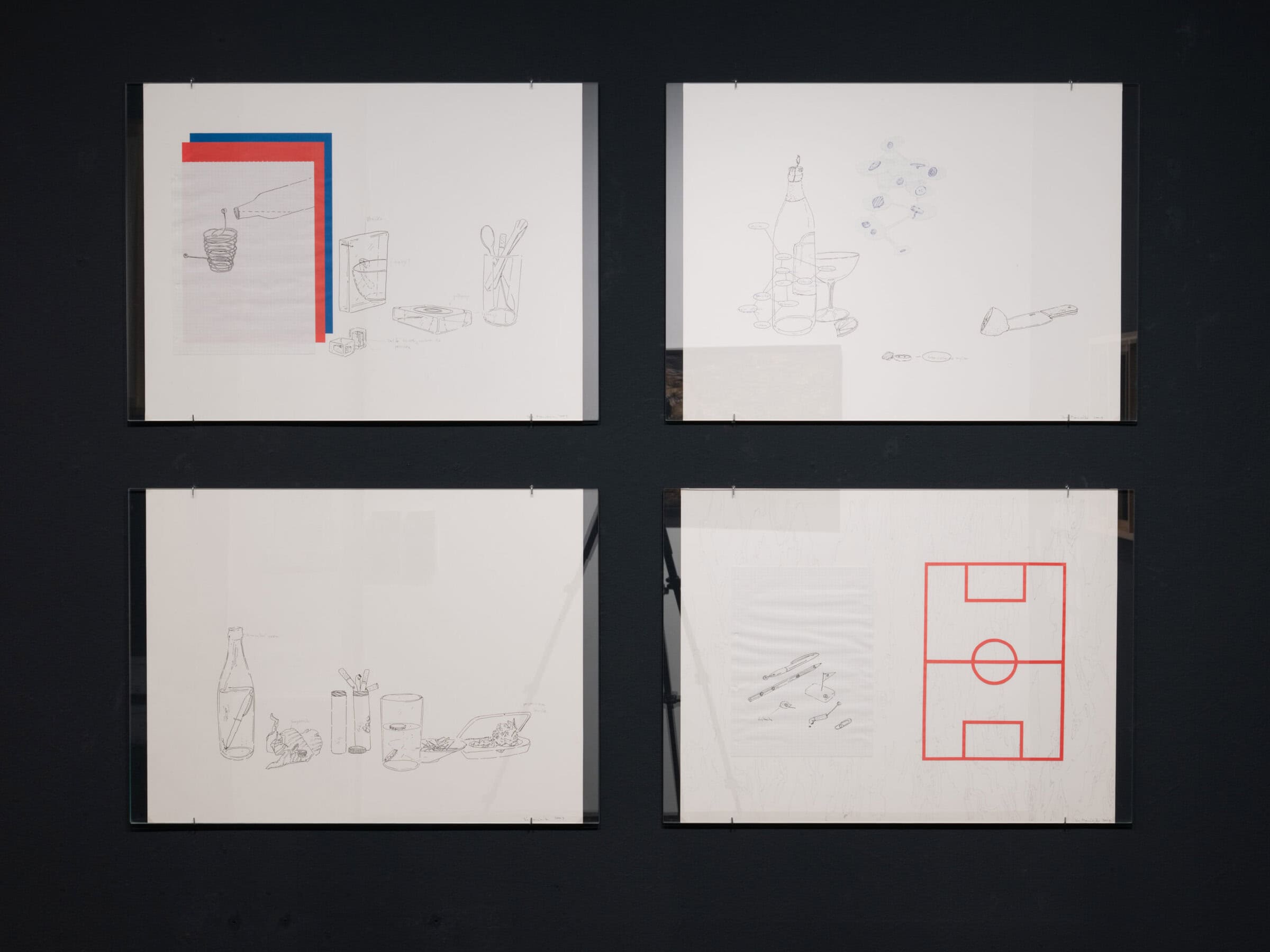
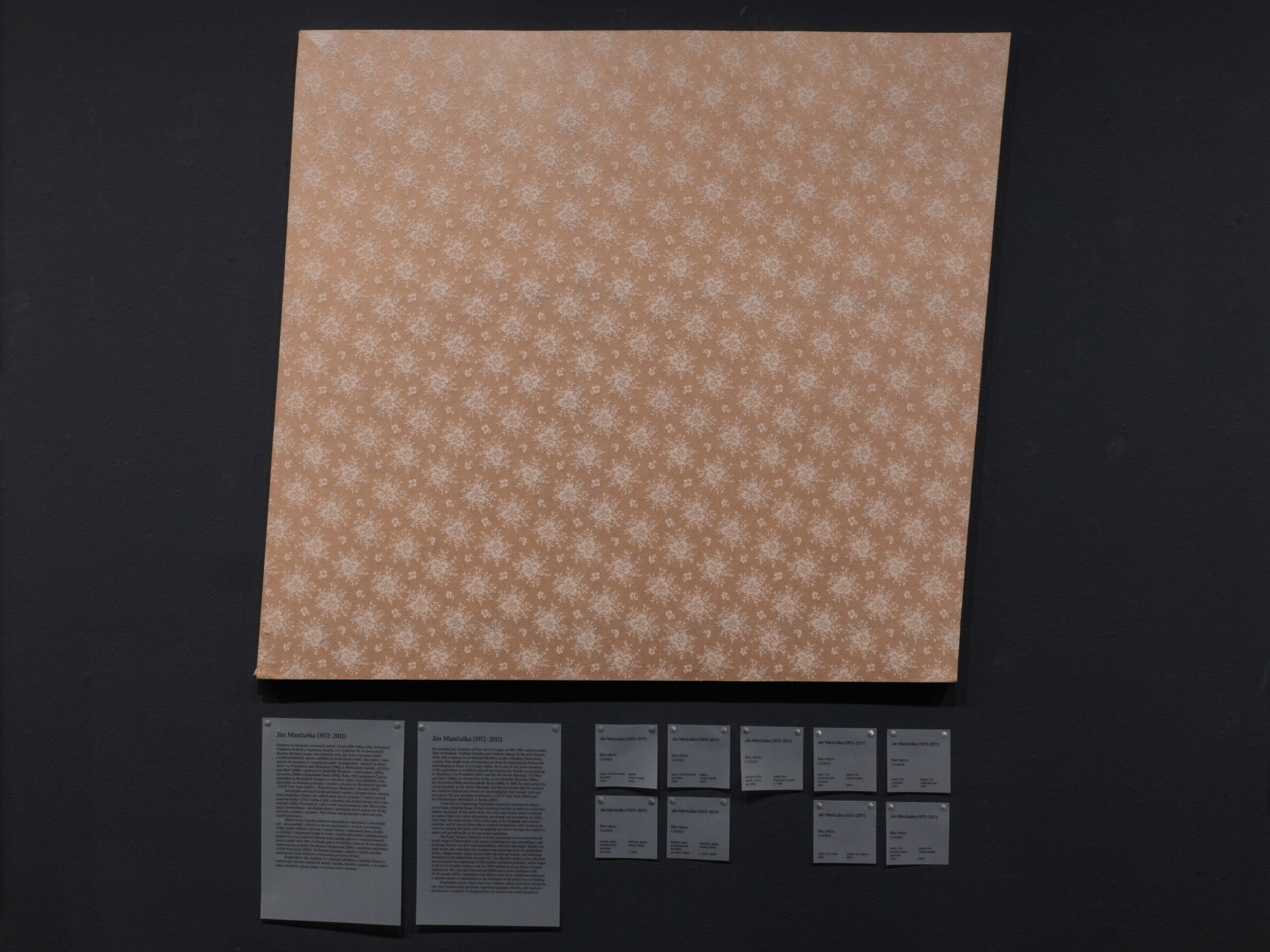
The Cabinet of Curiosities section of the exhibition How to Collect Art: The Karel Tutsch Story introduces visitors to Karel Tutsch’s early collecting activities through a set of ex libris – a collection of small-scale applied graphic art. From here, Tutsch’s interests logically expanded to include fine art prints. Over time, the Cabinet of Curiosities will present various artists and their works on paper that form an indispensable part of the collection.
JÁN MANČUŠKA (1972–2011) attended the Academy of Fine Arts in Prague in 1991–1998, studying under Jitka Svobodová, Vladimír Kokolia and Vladimír Skrepl. In the mid-nineties, while still a student, he co-founded Bezhlavý jezdec (Headless Horseman), a group that sought ways of removing art from its institutional framework and bringing it closer to everyday reality. He is one of just a few members of his generation to establish himself internationally: besides participating in Manifesta 4 in Frankfurt (2002) and the 4th Berlin Biennial, “Of Mice and Men” (2006), he showed his works at the Stedelijk Museum (2004), the Secession (2006) and Kunsthalle Basel (2008). In 2005, he represented the Czech Republic at the Venice Biennale, and the year before that he received the Jindřich Chalupecký Award for an installation that worked with text and space. He also attended residencies at ISCP New York (2003) and the Künstlerhaus Bethanien in Berlin (2005).
From the very beginning, Mančuška turned the function of objects on its head, stripping things of their practical function in order to reveal their hidden meanings. In his early works, he used Lego bricks, straws or thread to explore how even minor alterations can change our perception of reality. Over time, the main theme of his work came to be language and communication, and he moved from objects towards installations that involved the viewer in reading the work, with text guiding the viewer through the exhibition space and activating his or her personal experience.
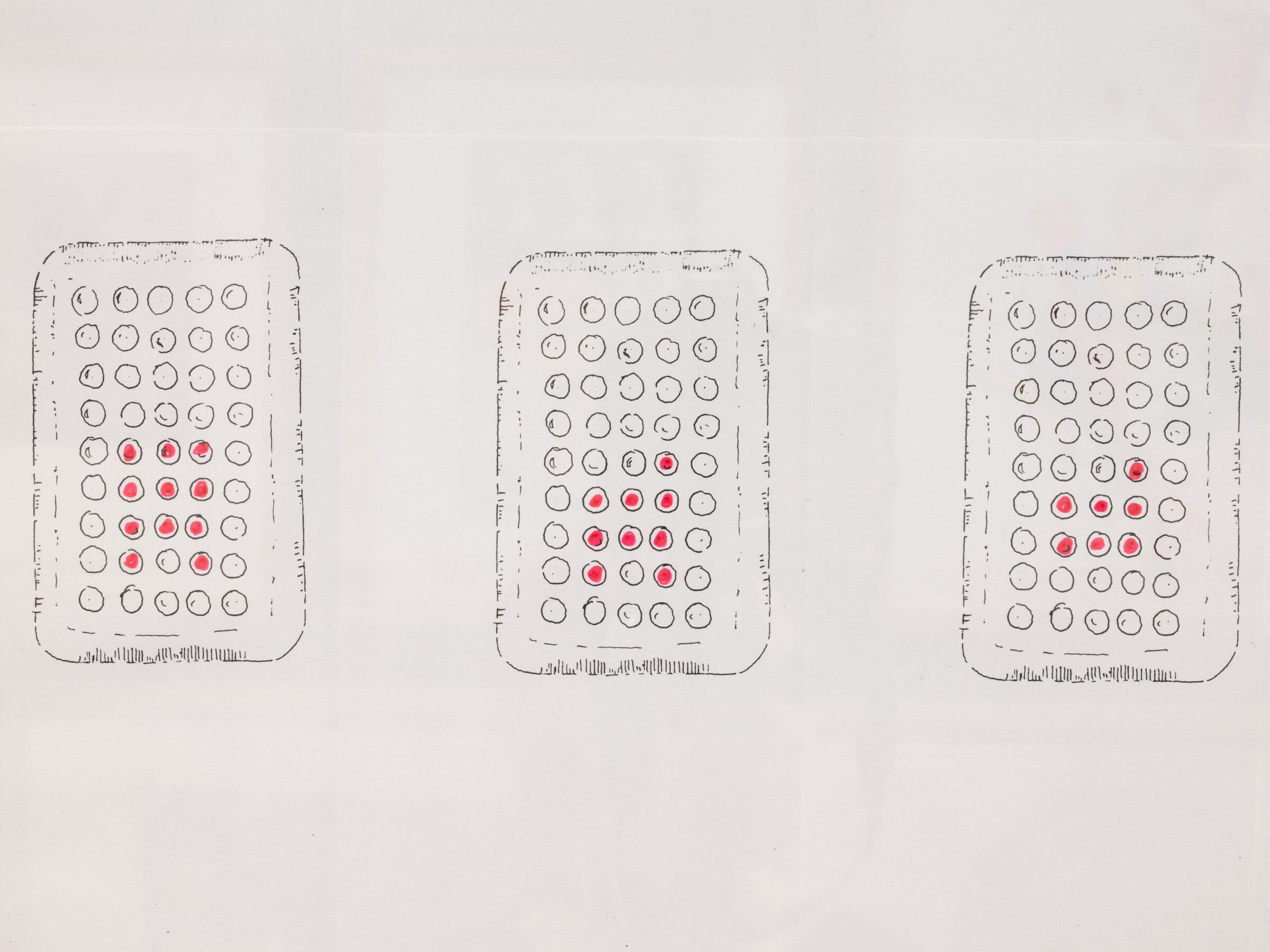
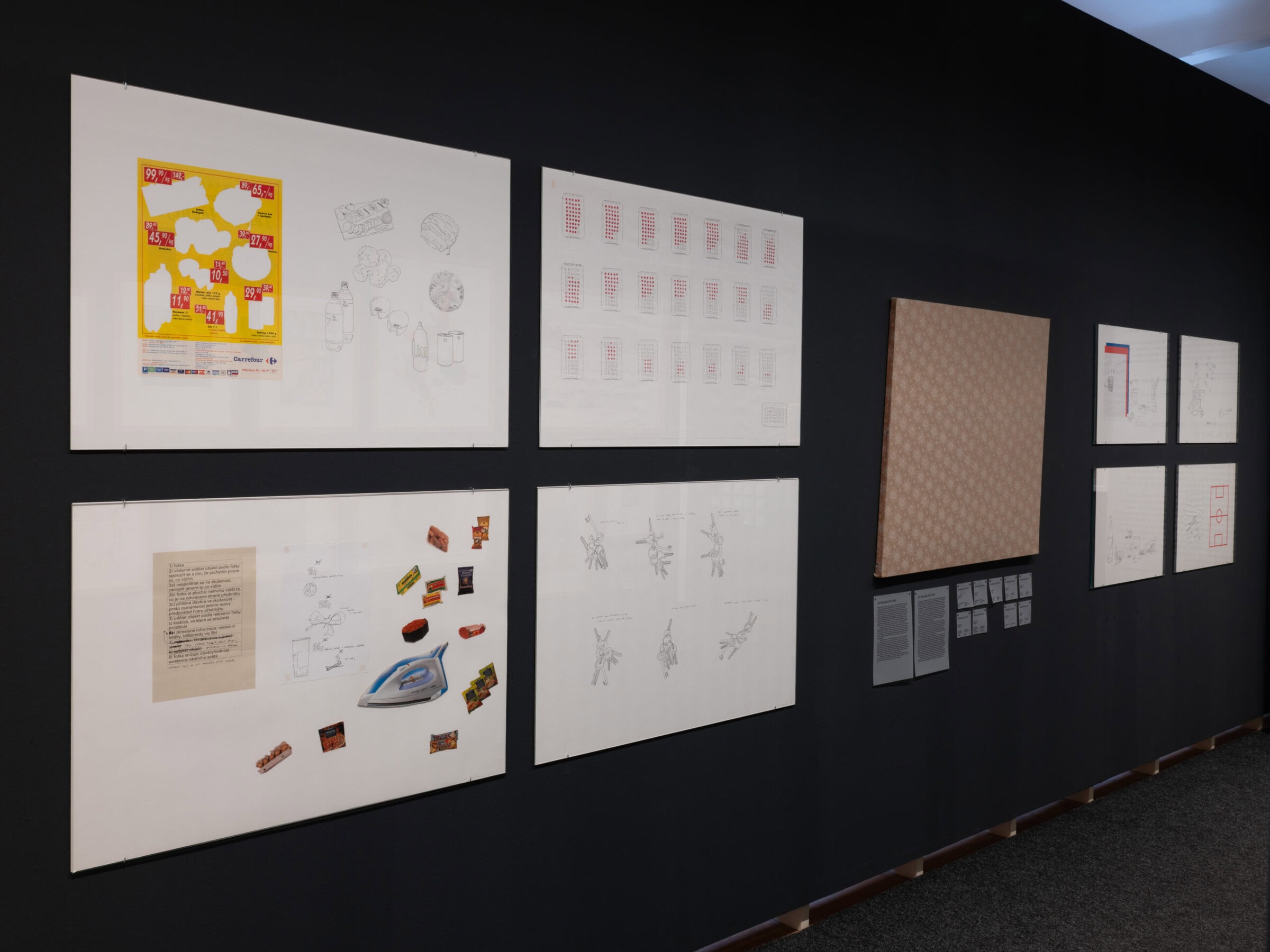
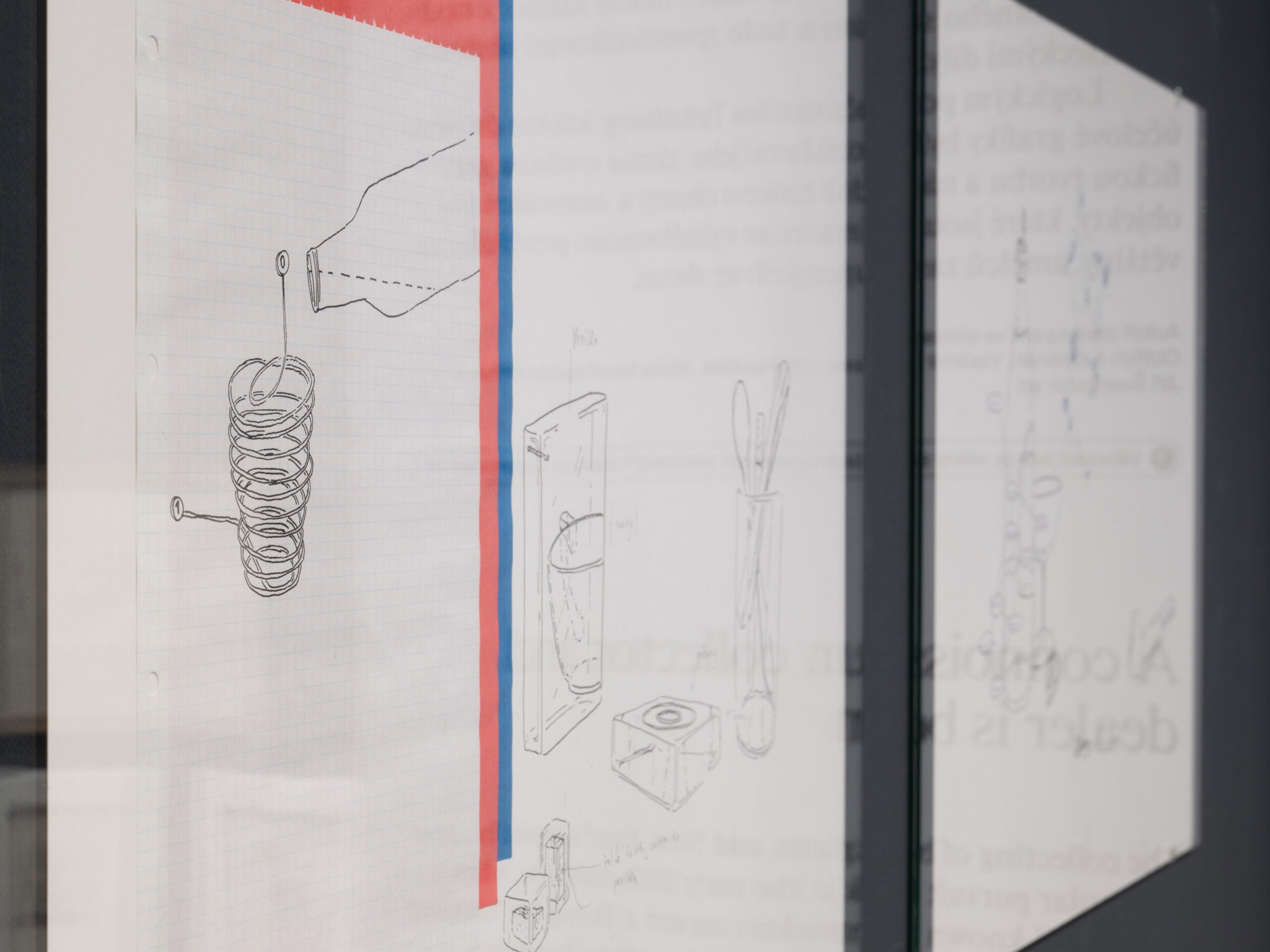
The Karel Tutsch Collection is in the possession of an extraordinarily broad range of Mančuška’s early works, including not just assemblages and drawings but also his first experimentations with text and space. Besides his early works, the collection also includes rare paintings from his graduation thesis, collages made using cutouts from advertising leaflets, and drawings featuring motifs taken from everyday life. The fifty-four works in the collection also document the beginnings of Mančuška’s exhibition activities, which began at Brno’s Na bidýlku Gallery with the 1999 exhibition 10 cm Above Ground, followed by The Liberated Household (2000) and a joint exhibition with Jiří Kovanda (2002). Catalogues and objects from these exhibitions represent a valuable source of information on the formation of the artist’s way of thinking.
Mančuška’s oeuvre shows that even ordinary objects and banal situations can raise fundamental questions regarding language, identity and memory – and that art is capable of changing how we perceive the world around us.